
Let’s be honest: feeding neurodivergent kids can sometimes feel like negotiating with a tiny, highly emotional food critic who only eats white foods and thinks carrots are a personal attack.
But here’s the good news — nutrition can make a difference. The right diet can help with focus, mood, and sensory regulation. The trick? Doing it without making mealtime feel like a hostage situation.
So grab your coffee (or third cup of it), and let’s dive in. ☕
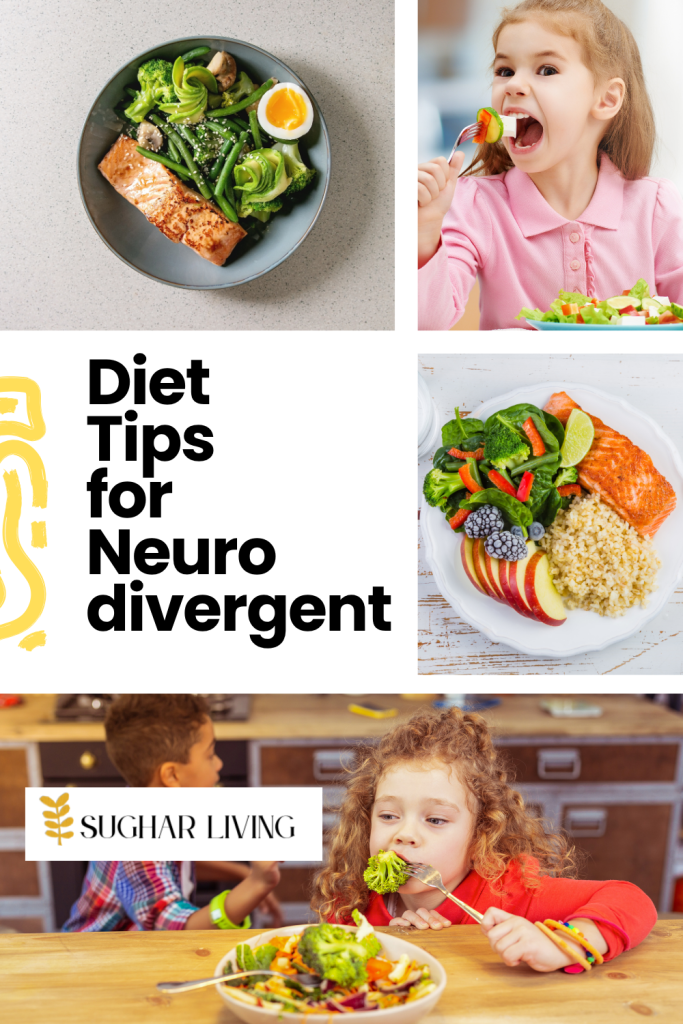
🧠 1. Brain Fuel, Not Food Rules
Neurodivergent brains are high-performance engines — they just come with quirky owner’s manuals. Instead of obsessing over “good” or “bad” foods, think brain fuel.
Focus on these:
- Protein — Eggs, tofu, yogurt, lentils. Keeps blood sugar (and meltdowns) steady.
- Omega-3s — Salmon, walnuts, chia seeds, or supplements if your child has declared fish the enemy. 🐟 My kid said fish “smells like the ocean’s armpit.” So yes, gummies it is. I usually use this gummies, but feel free to use your own.
- Complex carbs — Oats, sweet potatoes, brown rice = steady energy + fewer “why-are-you-crying” moments.
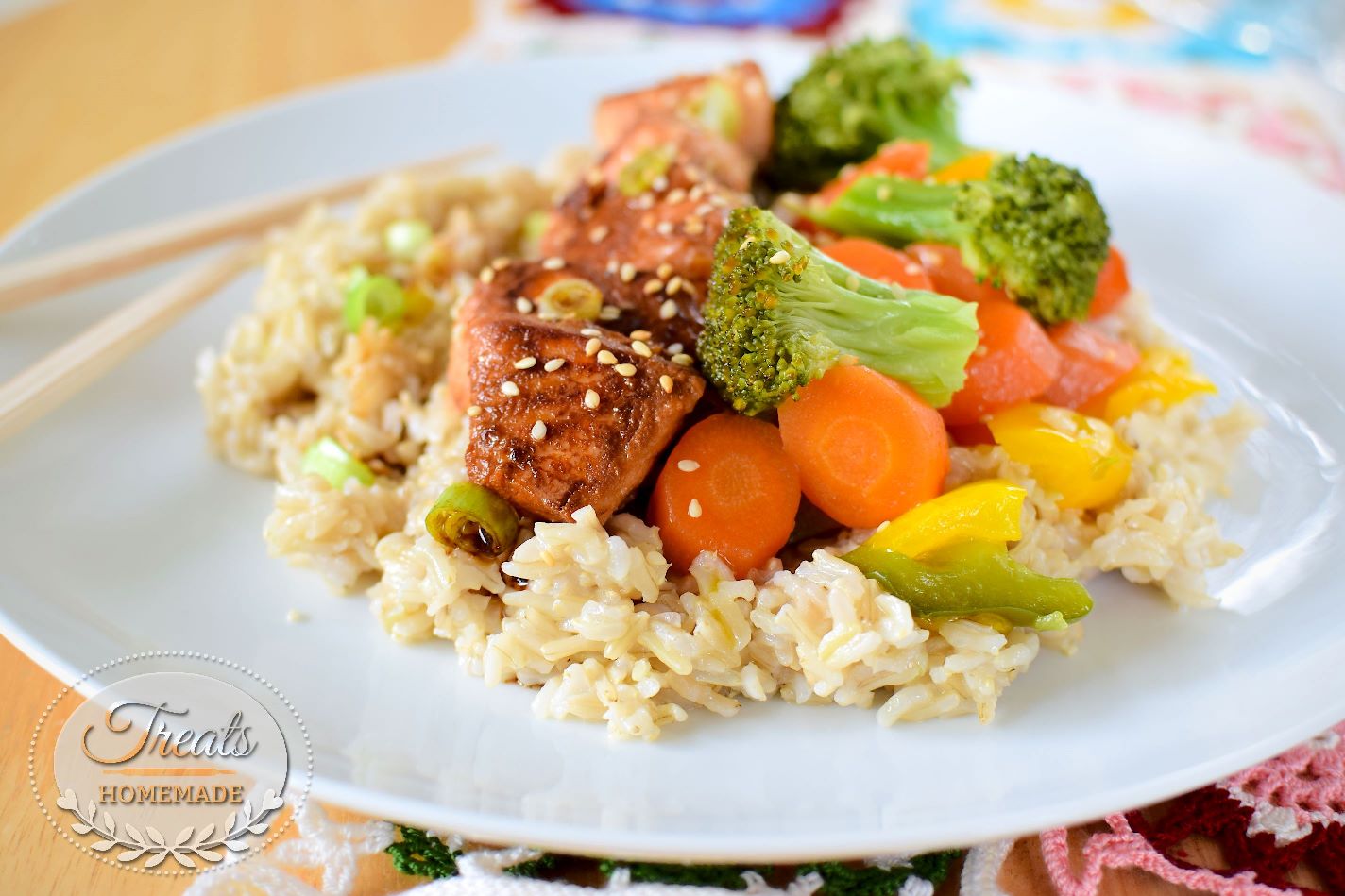
Balanced sensory-friendly meal for neurodivergent kids.
🍭 2. The Sugar Rollercoaster: Cute Until It’s Chaos
Neurodivergent kids often experience sharper highs and lows in blood sugar — which means one cupcake can turn your living room into an emotional rodeo.
Try this instead:
- Combine carbs + protein (e.g., banana + yogurt).
- Ditch ultra-processed snacks — or at least keep them for special days.
- Serve smaller, more frequent meals for stable energy.

Healthy snack ideas for ADHD and autism.
🧩 3. Sensory-Friendly Meals for the Texture Detectives
If mashed potatoes cause betrayal-level drama, you’re not alone. Sensory sensitivity is real — and it’s not “just picky eating.”
How to help:
- Offer foods in different textures: smoothies, baked, crunchy, pureed.
- Deconstruct meals — taco bowls, build-your-own sandwiches.
- Make it fun! Use bento boxes or food picks shaped like dinosaurs.
Because broccoli tastes 87% better when stabbed by a T-Rex. 🦖
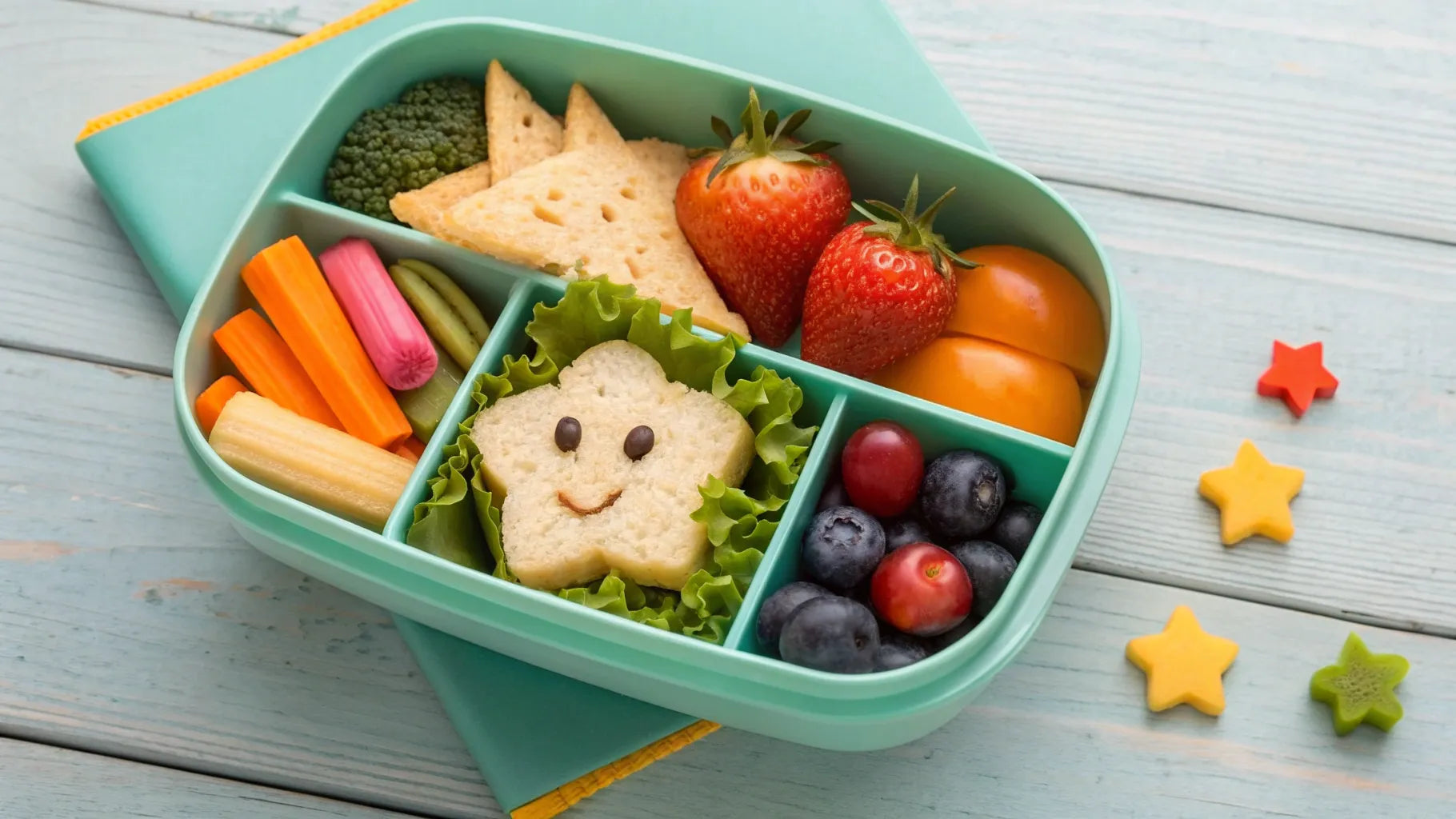
Sensory-friendly bento meal ideas for neurodivergent children
🌈 4. Supplements That Actually Help (and Aren’t Total Snake Oil)
The vitamin aisle is chaos — half miracle claims, half overpriced sugar. But science says some nutrients do make a difference for neurodivergent kids.
| Supplement | Why It Matters | Try This |
|---|---|---|
| Omega-3 (EPA & DHA) | Supports focus, mood & brain growth | Click Me |
| Vitamin D | Boosts mood, sleep & immunity | Click Me |
| Magnesium + B6 | Calms the nervous system, aids sleep | Click Me |
| Zinc | Helps taste, appetite & brain signaling | Click Me |

Safe food supplements for neurodivergent children.
💬 5. It’s About Progress, Not Perfection
If your kid ate two chicken nuggets and a slice of apple today — that’s still nutrition, baby.
Feeding neurodivergent kids is a journey of curiosity, not control.
Celebrate small wins, laugh when you can, and remember:
You’re raising a whole human, not auditioning for MasterChef: Sensory Edition.

Parent cooking sensory-friendly meals
✨ Final Bite
Your kid doesn’t need the perfect diet — they need fuel that makes their unique brain thrive.
Try a few of these changes, explore new textures, and yes — sneak in those omega-3 gummies when no one’s looking.
Because at the end of the day, the goal isn’t perfection.
It’s peace, progress… and maybe a few fewer food battles.